The Verdict
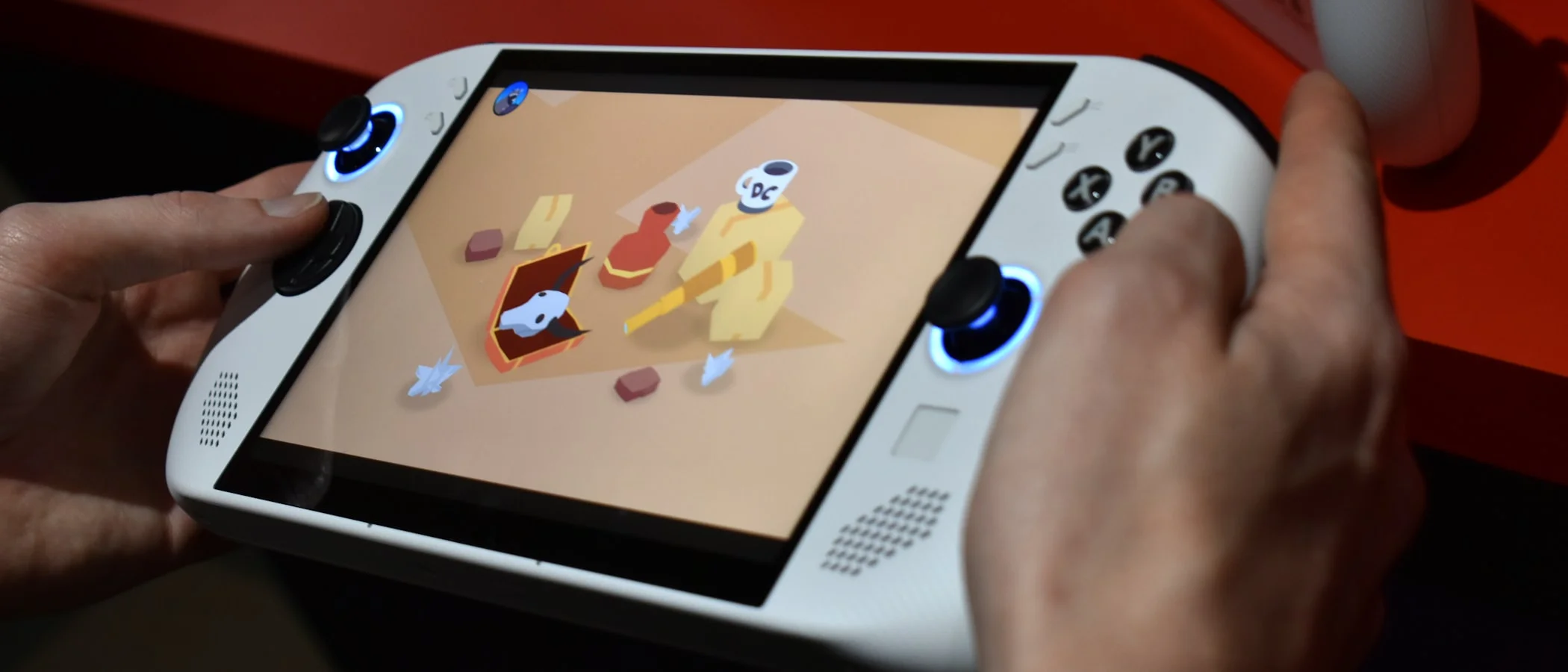
Steam Deck OLED is still the best-built handheld for PC gamers with an existing Steam library, but Valve's May 2026 price hike to $789 and up makes it a much harder recommendation than it was at $549.
Check Price on AmazonThe Good
- Genuinely portable access to your existing Steam library
- 7.4-inch HDR OLED display with a 90Hz refresh, a real upgrade over the LCD model
- Sleep and resume make short sessions actually happen
- Best handheld ergonomics among current SteamOS and Windows PC handhelds
The Bad
- 512GB model now costs $789, up from $549, a 43% price hike in May 2026
- Nintendo Switch 2 and Windows handhelds like the ROG Xbox Ally X are stronger 2026 competition
- Battery life swings from roughly 2 to 12 hours depending on the game
- Not every PC game runs well, especially titles with kernel-level anti-cheat
Scores by category
The 7.4-inch HDR OLED panel with 90Hz refresh is a genuine, visible upgrade over the LCD model.
Zen 2 and RDNA 2 handle indie and older AAA titles well, but newer games need lowered settings and kernel-level anti-cheat can block play entirely.
The 50Whr battery swings from roughly 2 to 12 hours depending on the game, with no single number you can rely on.
Best handheld ergonomics among current SteamOS and Windows PC handhelds.
Sleep and resume genuinely works, turning short 15 to 20 minute sessions into something that actually happens.
Valve's May 2026 price hike to $789 for the 512GB model, up from $549, makes this a much harder recommendation than before.
Specifications
| Display | 7.4-inch HDR OLED, 1280x800, 90Hz refresh |
|---|---|
| CPU | AMD Zen 2, 4-core/8-thread, 2.4-3.5GHz |
| GPU | AMD RDNA 2, 8 CUs, 1.6GHz (1.6 TFLOPS FP32) |
| RAM | 16GB LPDDR5 (6400 MT/s quad-channel) |
| Battery | 50Whr, 3 to 12 hours of gameplay |
| Weight | Approx. 640g |
| Storage | 512GB or 1TB NVMe SSD |
| Wireless | Tri-band Wi-Fi 6E and Bluetooth 5.3 |
| Video Output | USB-C DisplayPort, up to 8K at 60Hz or 4K at 120Hz |
| Price | $789 (512GB) / $949 (1TB) as of July 2026 |
grimtech is a research-and-recommendation site. Our picks come from specs, published testing, and owner feedback, not from who pays us. Links may earn a commission at no extra cost to you. See how we test.
The Bottom Line
Steam Deck OLED is still the best-built handheld for PC gamers who already own a Steam library. What changed in 2026 is the price: Valve raised the 512GB model from $549 to $789 and the 1TB model from $649 to $949 on May 27, 2026, citing rising memory and component costs tied to industry-wide demand for AI hardware. That single change reshapes who this device makes sense for.
This review is based on Valve’s published specifications, verified current pricing, and testing and reporting from outlets including Tom’s Hardware, GamersNexus, and PCGamesN.
Who it’s for: you already own PC games on Steam, you want to play them on the couch or on a flight without hauling a laptop, and the new price still fits your budget.
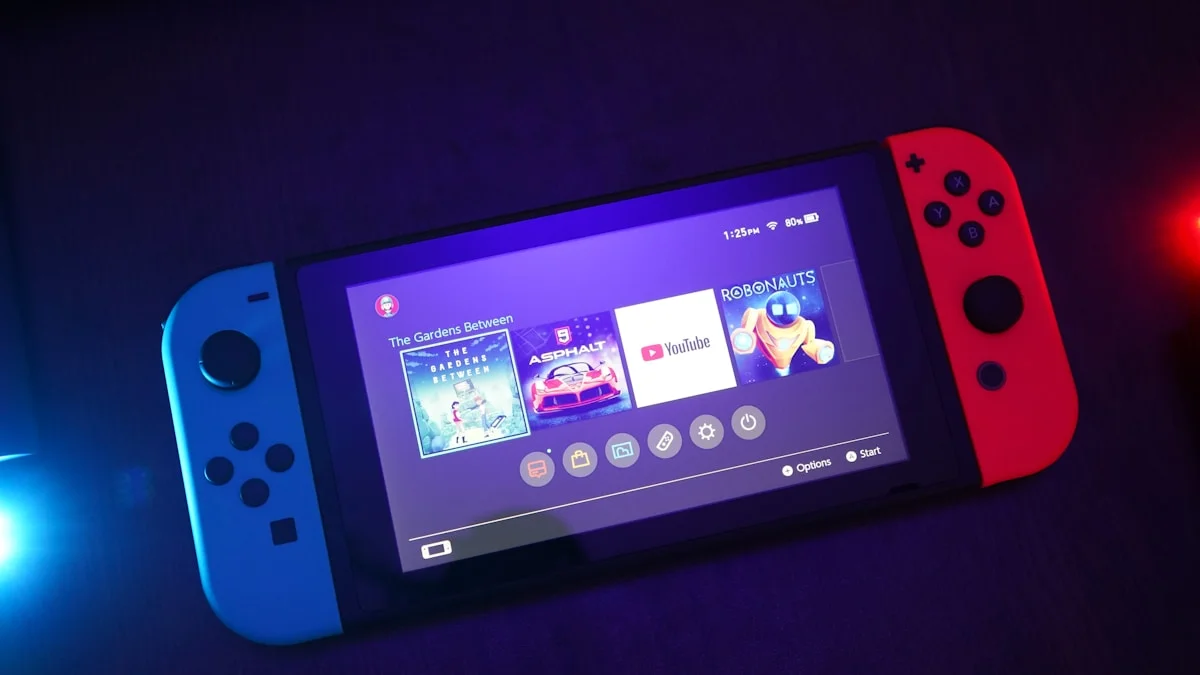
Who should skip it: you mostly want Nintendo’s library (the Nintendo Switch OLED or the newer Switch 2 fit better), you’re working with a tight budget (Valve’s own refurbished Steam Deck LCD starts around $279), or you want maximum settings on the newest AAA games (a Windows handheld like the ROG Xbox Ally X will get you further, at a higher price).
The pick: Steam Deck OLED, 512GB, $789 as of mid-2026.
Check current Steam Deck OLED price on Amazon
What Changed in 2026
Two things moved since this device launched. First, the price: Valve’s May 2026 increase pushed the 512GB OLED from $549 to $789 and the 1TB model from $649 to $949, a 43 to 46 percent jump, and discontinued the cheaper LCD model at retail (refurbished LCD units are still sold directly by Valve). Second, the competitive field got much more crowded: the Nintendo Switch 2 has shipped and is now the default Nintendo handheld, and Windows-based rivals like the ASUS ROG Xbox Ally X and Lenovo Legion Go 2 have matured into genuinely strong alternatives rather than rough first drafts. Our Nintendo Switch OLED vs. Steam Deck comparison breaks down the price and performance gap between those two in detail.
Why the OLED Screen Still Matters
The 7.4-inch HDR OLED panel, running at 1280x800 with a 90Hz refresh rate, is the single best hardware upgrade Valve made over the original LCD Deck. OLED means true blacks instead of the LCD’s backlight bleed, and colors that hold up even at lower brightness, which matters if you play in bed, on a couch at night, or on a plane with the cabin lights down. It is a genuine, visible upgrade, not a marketing bullet point.
Sleep and Resume Is the Real Differentiator
Consoles solved this years ago; SteamOS finally brought it to PC gaming in a way that actually works. Close the lid, and the game picks back up exactly where you left it, no reboot, no re-launch, no lost progress. That single feature is why a Deck ends up getting used for genuine 15 to 20 minute sessions where a gaming laptop or desktop would have stayed off. It is easy to undervalue until you own one.
Performance Reality Check
Steam Deck OLED is not a desktop GPU in your hands, and Valve has never claimed otherwise. Under the hood it runs an AMD Zen 2 CPU paired with an RDNA 2 GPU and 16GB of RAM, a real step up from the aging chip Nintendo still ships in the Switch OLED, but well below a current gaming laptop or desktop.
In practice:
- Indie games and older AAA titles generally run well at native or near-native settings.
- Newer, more demanding AAA titles typically need lowered settings and FSR upscaling to hold a stable frame rate.
- Some competitive multiplayer games that rely on kernel-level anti-cheat will not run at all. Check Valve’s Deck Verified rating for any specific title before buying.
Battery life reflects that same trade-off. Valve’s 50Whr battery and the OLED panel’s lower power draw improve on the LCD model, but the range is wide and honest, roughly 2 to 3 hours in demanding AAA titles at higher settings up to around 12 hours in light indie games. Anyone expecting a single consistent number will be disappointed; anyone expecting “it depends heavily on what you’re playing” will not be.
If you want “max settings, always,” this is not the device. If you want “play more of the games I already own, more often,” it still is, at least until you look at the new price tag.
What to Buy With It
Storage: a microSD card is the easiest upgrade
Games are large and only getting larger. A fast microSD card meaningfully expands what you can keep installed without paying OLED-tier prices for a bigger built-in drive.
A case, because handhelds get dropped
Steam Deck OLED case on Amazon
A dock, if you want a living-room mode
Docking turns the Deck into a TV-connected machine, at the cost of needing a USB-C hub or Valve’s own dock and accepting that actual output resolution depends on the game and settings you choose, not a fixed spec.
A portable power bank for long travel days
Given how much battery life swings by game, a USB-C power bank is a reasonable add for flights or long commutes rather than an optional extra. Our Anker Prime 200W power bank review and our best portable chargers guide cover options that work with USB-C handhelds.
How It Compares to the 2026 Alternatives
| Device | Runs on | Best for | Rough 2026 price |
|---|---|---|---|
| Steam Deck OLED | SteamOS (Linux) | Simplicity, sleep/resume, your existing Steam library | $789 (512GB), $949 (1TB) |
| Nintendo Switch 2 | Nintendo’s own OS | Nintendo exclusives, families, lightest device | $449.99, rising to $499.99 in September 2026 |
| ASUS ROG Xbox Ally X | Windows | Highest sustained performance, more RAM and storage | Generally priced above the Deck OLED |
| Lenovo Legion Go 2 | Windows | Largest, fastest OLED display on a handheld | Generally priced above the Deck OLED |
Windows handhelds like the ROG Xbox Ally X and Legion Go 2 generally out-muscle the Deck on raw performance and can carry more RAM and faster storage, which shows up in the newest, most demanding AAA titles. What they trade away is Windows itself: a desktop interface bolted onto a handheld, more background overhead, and typically a higher price than the Deck. SteamOS remains the more polished, more consistent experience for the majority of a Steam library, even if it is not the fastest chip in the room.
Who Should Buy the Steam Deck OLED
Buy it if:
- You already own a meaningful Steam library and want it portable.
- Sleep and resume, plus a genuinely good OLED screen, matter more to you than raw horsepower.
- $789 and up is a price you can absorb without stretching.
Skip it, or buy refurbished LCD instead, if:
- You mostly want Nintendo’s exclusives (get the Nintendo Switch OLED or Switch 2 instead).
- You want the newest AAA games at maximum settings (a Windows handheld will get you further, for more money).
- $789 is simply more than you want to spend on a first handheld. Valve’s Certified Refurbished store sells older LCD units from around $279 with a one-year warranty, which still delivers the Steam-library pitch at a fraction of the cost.
Verdict: Buy It If You Already Own the Games, Otherwise Compare First
Steam Deck OLED has not gotten worse. The screen, the sleep and resume experience, and the ergonomics remain the best in the PC handheld category. What has changed is the math: at $549, this was an easy recommendation for almost anyone curious about portable PC gaming. At $789 to $949, it is a good buy only for the buyer it was always really built for, someone who already owns a Steam library worth playing on the go.
Buy it if that describes you and the new price fits your budget.
Wait or buy refurbished if the pitch appeals but $789 does not fit right now; Valve’s refurbished LCD units start around $279.
Buy the Nintendo Switch 2 or Switch OLED instead if Nintendo’s library, not PC gaming, is actually what you are after. See our Nintendo Switch OLED review and our full Switch OLED vs. Steam Deck comparison for the detailed breakdown.
Check current Steam Deck OLED price on Amazon
This review is based on Valve’s published specifications, current retail pricing verified as of July 2026, and testing and reporting from outlets including Tom’s Hardware, GamersNexus, and PCGamesN. grimtech may earn a commission from qualifying purchases through the links above, at no extra cost to you.
Similar Products Worth Considering
Other products our team has reviewed in this category.


Tech reviews & buying advice
grimtech is an independent tech-review publication. We test and research gear, cut the hype, and give one clear recommendation you can act on. Our rule is simple: trust is the whole business, so we never let a commission shape a verdict, if the cheaper or older product is the right call, that's what we tell you. We earn affiliate commissions when you buy through our links, at no extra cost to you, and that never changes what we recommend.