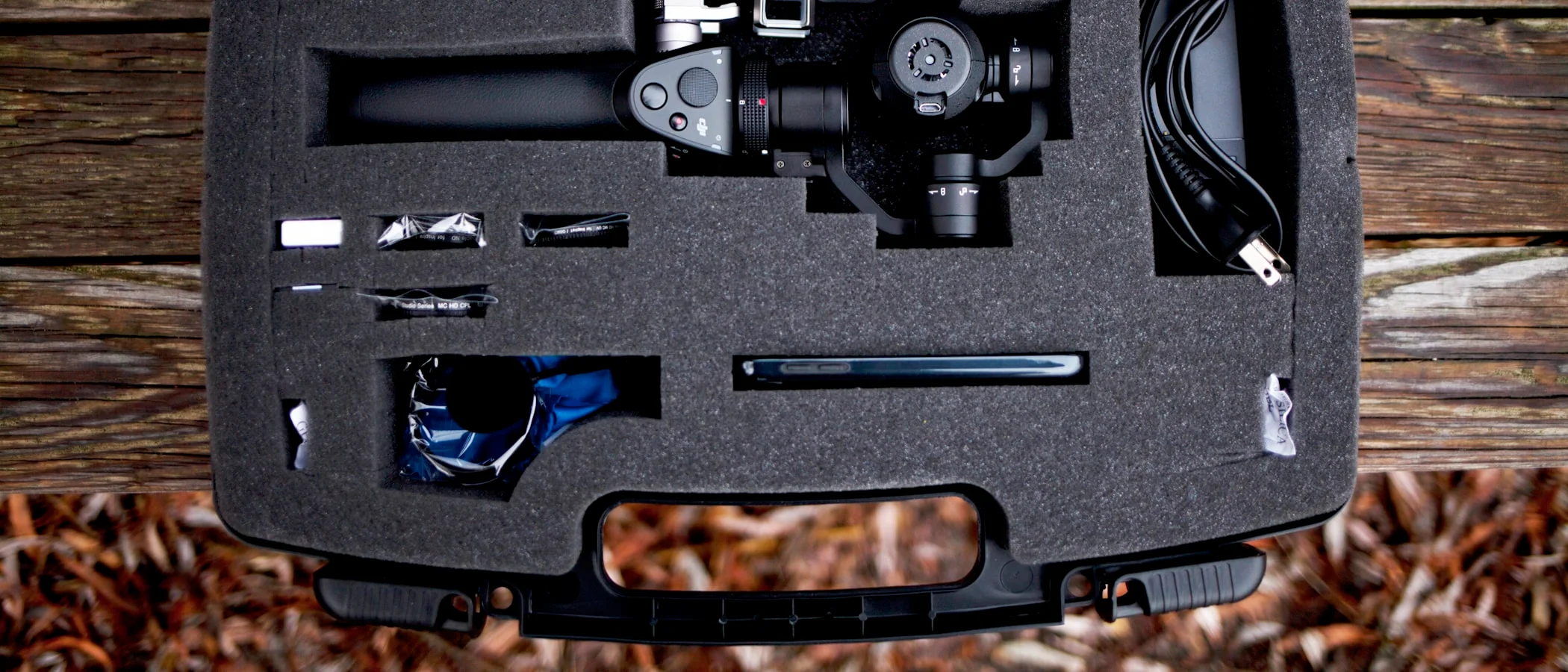
The Verdict
The Osmo Pocket 3 is no longer DJI's newest pocket camera, but it's the smarter buy for most people: the Osmo Pocket 4 improved the sensor and storage, and pushed the Pocket 3's price down in the process.
Check Price on AmazonThe Good
- Gimbal-smooth 4K stabilization in a body that fits a shirt pocket
- Built-in mic array that's genuinely good for solo talking-head video
- Turn it on and start filming in seconds, no rig to assemble
- Regularly discounted well below its $519 launch price now that Pocket 4 exists
The Bad
- The Osmo Pocket 4 (April 2026) has a faster sensor, 4K/240fps, and built-in storage the Pocket 3 lacks
- Small 1-inch sensor still trails larger cameras in low light
- Creator Combo accessories (mic, wide-angle lens, handle) add up fast
Scores by category
Sharp, clean 4K in daylight, but the 1-inch sensor shows more noise than larger sensors once light gets dim.
Three-axis mechanical gimbal delivers genuinely smooth handheld 4K with no rig to carry or assemble.
The built-in three-mic array is good enough for solo talking-head video without reaching for an external mic.
At 179g and pocket-sized, it's the rare camera that's actually with you when something happens.
About 166 minutes per charge is workable for a day out, but frequent shooters will want a spare battery handle.
Regularly discounted well below its $519 launch price now that the Pocket 4 has taken over as the flagship, though Creator Combo accessories add up fast.
Specifications
| Sensor | 1-inch CMOS, approx. 9.4MP stills |
|---|---|
| Max Video Resolution | 4K (3840x2160) up to 120fps |
| Max Video Bitrate | 130 Mbps |
| Battery Capacity | 1,300 mAh / 10.01 Wh |
| Recording Time | Up to 166 minutes per charge |
| Weight | 179 g |
| Dimensions | 139.7 x 42.2 x 33.5 mm |
| Storage | microSD, up to 1TB (no internal storage) |
| Bluetooth | BLE 5.2, BR/EDR |
| Launch Price | $519 |
grimtech is a research-and-recommendation site. Our picks come from specs, published testing, and owner feedback, not from who pays us. Links may earn a commission at no extra cost to you. See how we test.
The Bottom Line
Most people don’t need more camera. They need less friction, and the Osmo Pocket 3 gives you that: gimbal-stabilized 4K, decent built-in audio, and a body small enough to actually carry.
The catch worth knowing before you buy: DJI released the Osmo Pocket 4 in April 2026 with a faster sensor, 4K at up to 240fps, and built-in storage the Pocket 3 never had. That makes the Pocket 3 last generation’s camera, and it’s why retailers have pushed its price down from an original $519 to as low as $419, with typical street pricing in the $439 to $499 range depending on sales. For most buyers, that discount is the better deal than paying full price for the newer model, and in the US there’s an additional wrinkle: DJI’s spot on the FCC’s Covered List has left the Pocket 4’s US authorization pending, so it currently is not reliably available through authorized US retailers at all.
Buy it here: DJI Osmo Pocket 3 on Amazon
Who It’s For (and Who Should Get the Pocket 4 Instead)
Buy the Pocket 3 if you shoot travel clips, family video, behind-the-scenes footage, or casual YouTube content, and you want a camera that’s actually with you when something happens. That’s the entire case for this category of camera: the best one is the one in your pocket, not the good one sitting in a bag.
Consider the Pocket 4 instead if you need the faster sensor and higher frame rates for slow motion, want the built-in storage so you’re not managing microSD cards, or you’re buying for paid client work where the newest spec sheet matters. It also carries a higher price than a discounted Pocket 3, so it’s only worth it if you’ll actually use the upgrades. For US buyers, there’s a bigger catch: DJI’s pending FCC authorization means the Pocket 4 currently is not reliably sold through authorized US retailers, so the Pocket 3 may simply be the one you can buy new right now.
Why It Beats “Phone Plus Gimbal” for Most People
Phone gimbals sound great on paper. Then you actually try to use one: it’s another thing to charge, another thing to pair, another thing to set up before you can start filming.
The Pocket 3 wins for casual use because it’s one device that turns on and starts recording in seconds. It won’t out-resolve a mirrorless camera or a dedicated action cam in every scenario, but “good enough, always in your pocket” beats “excellent, left at home” for the footage most people actually end up keeping.
If you’re deciding between a pocket gimbal camera and just using your phone, it’s worth comparing against what a modern flagship phone camera can already do; our Google Pixel 10 Pro Fold review covers where phone cameras still fall short of dedicated stabilized video.
Standard Kit vs Creator Combo
Standard Osmo Pocket 3: the camera, battery handle, and a mini tripod/grip. Good for testing the format before committing further. Osmo Pocket 3 on Amazon
Creator Combo: adds a wireless mic, a wide-angle lens, and an extended battery handle. Worth it if you already know you’ll shoot regularly, since audio is the part most people underrate until they hear their own clips played back. Pocket 3 Creator Combo on Amazon
The Trade-offs
Every camera is a set of compromises. The Pocket 3’s are specific and worth stating plainly:
- It’s no longer DJI’s newest pocket camera. The Osmo Pocket 4 supersedes it on sensor speed, frame rates, and built-in storage. That’s the whole reason the Pocket 3 is now the value pick rather than the flagship, and for US shoppers the point may be moot anyway: DJI’s pending FCC authorization means the Pocket 4 currently is not reliably sold through authorized US retailers.
- The 1-inch sensor still trails larger cameras in low light. Dim indoor rooms and night scenes show more noise than a mirrorless or full-frame setup would produce.
- It’s not a replacement for interchangeable-lens cameras. If you shoot paid work that needs specific lenses or maximum still-photo quality, this isn’t that camera.
- Accessories add up. Between a good microSD card, an extra battery, and possibly ND filters, the “real” cost of owning this camera is higher than the sticker price.
How It Compares to the Obvious Alternative
The most common cross-shop for the Osmo Pocket 3 is the Insta360 Go 3S, a much smaller, clip-on style camera built around FlowState stabilization. The Pocket 3’s larger 1-inch sensor generally produces sharper, cleaner 4K footage, particularly in mixed or dim lighting, and its screen makes framing shots far easier since you can actually see what you’re recording. The Go 3S trades that image-quality edge for extreme portability: it clips to clothing, mounts almost anywhere, and captures angles a handheld camera can’t reach.
If a screen to frame your shot and stronger image quality matter more, get the Pocket 3. If disappearing the camera onto your body or gear matters more than pixel-peeping the footage, the Go 3S is the better tool for the job.
Accessories Worth Buying
microSD card: the Pocket 3 has no meaningful internal storage, so a fast, reliable card isn’t optional. V30 microSD cards on Amazon. If you’re building out a footage-backup workflow, our best portable SSDs guide covers drives worth offloading 4K clips to.
ND filters: useful if you shoot outside in daylight and want footage that looks intentional rather than overly sharp and phone-like. Pocket 3 ND filters on Amazon
Mini tripod or handle: for static shots, interviews, or hands-free framing. Pocket tripod on Amazon
For creators building out a full setup rather than just a camera, our best webcam for remote work review covers adjacent gear worth having.
Who Should Buy vs Skip
Buy it if:
- you want stabilized video without building or carrying a rig
- you film travel, events, or daily life and want a camera you’ll actually bring
- you can find it discounted below Osmo Pocket 4 pricing
Skip it if:
- you need interchangeable lenses for paid client work
- you shoot in low light constantly and need a larger sensor
- you specifically need the Pocket 4’s higher frame rates or built-in storage, in which case buy that instead, if you can actually source one where you live
Verdict: Buy It, Discounted
This is a “buy the older model” recommendation, and that’s a compliment. The Osmo Pocket 3 does the one thing this category of camera needs to do: it makes stabilized, good-looking video easy enough that you’ll actually use it. Now that the Osmo Pocket 4 has taken over as DJI’s newest pocket camera, the Pocket 3 has dropped well below its original price, and for most people that’s a better deal than paying full price for specs (higher frame rates, built-in storage) most casual shooters won’t max out.
Buy it at the discounted price. Skip full price on either model if you don’t yet know you’ll use it regularly.
Disclosure: grimtech may earn a commission from qualifying Amazon purchases at no extra cost to you. This never changes our verdict.
Similar Products Worth Considering
Other products our team has reviewed in this category.


Tech reviews & buying advice
grimtech is an independent tech-review publication. We test and research gear, cut the hype, and give one clear recommendation you can act on. Our rule is simple: trust is the whole business, so we never let a commission shape a verdict, if the cheaper or older product is the right call, that's what we tell you. We earn affiliate commissions when you buy through our links, at no extra cost to you, and that never changes what we recommend.