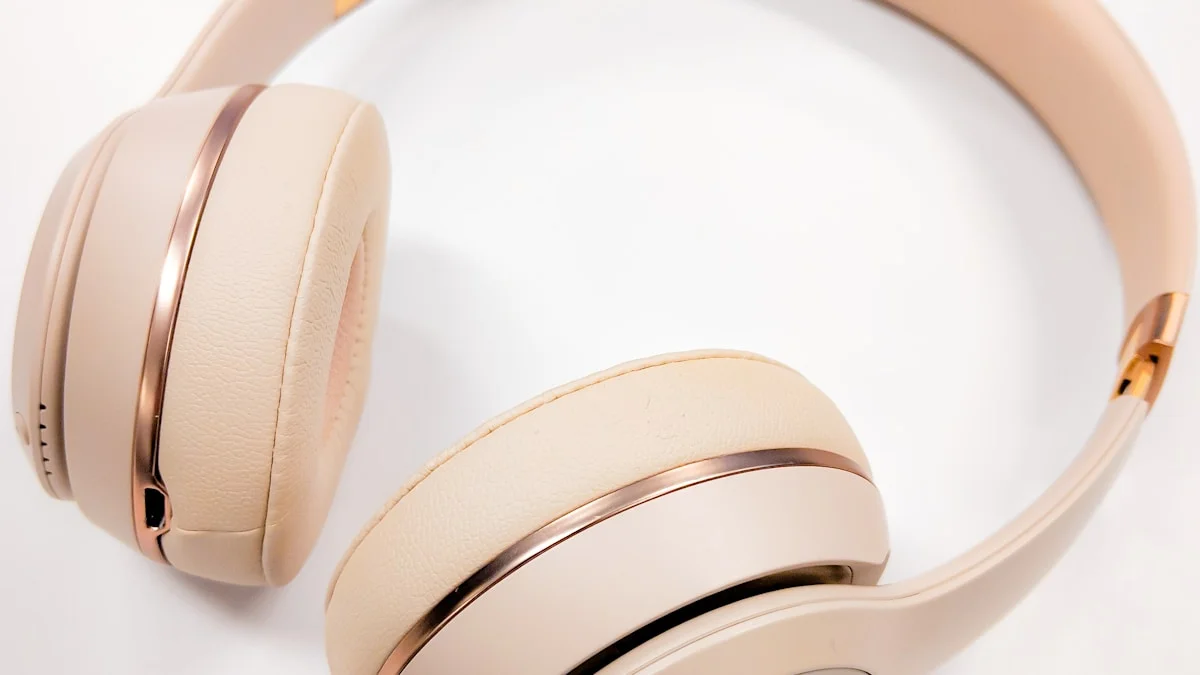
What are the best noise cancelling headphones in 2026?
The Sony WH-1000XM6 is the best all-around pick for most people: class-leading ANC in independent testing, a 30-hour battery, and multipoint Bluetooth, typically found for $350 to $400 despite a $449.99 list price. If you already own the WH-1000XM5, the upgrade isn't worth it, and that older model now regularly sells for $200 to $260. If comfort matters more than the last bit of noise cancellation, the Bose QuietComfort Ultra (2nd Gen) is the better fit.
Affiliate disclosure: This guide contains affiliate links. If you buy through them, we may earn a commission at no extra cost to you. It never changes what we recommend, we’d rather send you to the cheaper option that’s right for you than push the highest-commission product.
The one-line verdict
Buy the Sony WH-1000XM6 if you want the best all-around noise cancelling headphones and don’t already own the WH-1000XM5. It typically sells for $350 to $400 against a $449.99 list price, and dips into the $300s during big sales events. Buy the WH-1000XM5 instead if you want to save $100 or more and don’t need the last few percent of ANC performance, it’s regularly available for $200 to $260 and has hit $198 during Prime Day 2026. Everyone else’s pick depends on what you’re optimizing for: Apple ecosystem convenience, comfort, budget, or sound quality, all covered below.
This guide is based on published specifications, measurements from outlets that do independent lab testing (RTINGS, SoundGuys, WhatHiFi, and others), and manufacturer data, not on hands-on testing we haven’t done ourselves. Prices for consumer electronics move constantly, so treat the figures here as a current range, not a guarantee, and check the live price before buying.
Who this guide is for
If you fly regularly, work in a loud open office, or just want quiet on a commute, ANC over-ear headphones are one of the more reliably useful tech purchases available. If you’re mostly listening at home or in a quiet office, passive isolation from any decent pair of headphones already does most of the work, and you may be better served by cheaper wired or non-ANC options.
What ANC actually blocks (and what it doesn’t)
A common assumption is that “noise cancelling” means silence. It doesn’t. Active noise cancellation is genuinely effective against steady, low-frequency sound: airplane engine drone, HVAC hum, road and engine noise, the low rumble of a train. It does much less against sudden or higher-frequency sound: voices, a barking dog, keyboard clatter, a door slamming. That’s physics, not a specific product’s shortcoming, and it’s true of every headphone in this guide.
The other half of noise blocking is passive isolation, the physical seal the earcup makes against your head. A well-fitted over-ear headphone blocks meaningfully more ambient noise than an earbud even with the power off, which is part of why over-ear ANC tends to outperform ANC earbuds on flights.
Best overall: Sony WH-1000XM6
Editorial rating: 4.3/5 (matches our full Sony WH-1000XM6 review)
The Sony WH-1000XM6 is the headphone independent reviewers consistently rank as having the best ANC in this category. It’s not a dramatic reinvention of the WH-1000XM5, but the changes that are here are real.
What you’re getting, per Sony’s specs:
- HD Noise Canceling Processor QN3 driving a 12-microphone array, with an Adaptive NC Optimizer that adjusts for fit, glasses, and altitude
- A properly foldable hinge, Sony brought back the fold-flat-into-a-ball design from the XM4 generation after the XM5 dropped it, so the XM6 packs smaller for travel
- 30-hour battery life with ANC on, and Sony’s quick-charge spec of roughly 3 hours of playback from a 3-minute charge
- Multipoint Bluetooth for two simultaneous device connections, and LDAC codec support for higher-bitrate wireless audio on compatible sources
The honest downsides: List price is $449.99, which is a real jump from the WH-1000XM5’s launch price, even though street prices regularly land closer to $350 to $400 and have dropped as low as the $300s during Sony’s periodic sales. Reviewers who’ve tested the XM6 and XM5 side by side generally describe the sound and ANC gains as incremental rather than dramatic, so if you already own the XM5, this isn’t a must-upgrade. The build is still mostly plastic for a $400-plus product.
Who should buy it: Frequent flyers, open-office workers, and anyone shopping new who wants the best ANC currently available without committing to Apple or Bose ecosystems.
Who should skip it: Anyone who already owns a WH-1000XM5, current owners consistently report the differences aren’t worth the cost of replacing a working pair. Also skip it if you’re tempted by Sony’s new $649 “1000X The Collexion” anniversary edition released in mid-2026: reviewers describe it as the best-sounding Sony headphone yet, but its leather earcups seal less tightly than the XM6’s, so it actually cancels less noise despite the higher price. It’s a luxury pick for sound, not the ANC upgrade the price tag implies.
Check the current Sony WH-1000XM6 price on Amazon. For the full breakdown of what changed and whether it’s worth it, see our in-depth Sony WH-1000XM6 review.
Best value: Sony WH-1000XM5 (previous generation)
The Sony WH-1000XM5 launched at $399 and now commonly sells in the $200 to $260 range, occasionally dropping near $200 during major sales events like Prime Day, which makes it the strongest value in this guide. You give up the XM6’s foldable hinge (the XM5 only lies flat, it doesn’t fold down small) and a small amount of ANC and call-quality polish. You keep the same 30-hour battery, multipoint Bluetooth, and LDAC support, and sound quality that reviewers describe as very close to the newer model.
Who should buy it: Anyone shopping on a budget who doesn’t need the XM6’s smaller folded size or the last increment of ANC performance. For most buyers who aren’t specifically comparing the two side by side, this is the smarter purchase.
Who should skip it: Frequent travelers who pack light and want the XM6’s smaller folded footprint, and anyone who takes a lot of calls in windy or noisy outdoor conditions, where the newer processor reportedly does better.
Check the current Sony WH-1000XM5 price on Amazon.
Best for Apple users: AirPods Max 2
Apple announced the AirPods Max 2 in March 2026, priced at $549, the same as the original. It carries over the aluminum build and computational audio of the first model and adds Apple’s H2 chip, which brings Adaptive Audio, Conversation Awareness, and Apple’s claim of noise cancellation up to 1.5x more effective than the original AirPods Max. It also supports 24-bit/48kHz lossless audio over its included USB-C cable.
The honest trade-offs: At $549 it’s the most expensive headphone in this guide by a wide margin. Independent lab testing published since launch (SoundGuys, RTINGS) has now confirmed Apple’s ANC claim is real but modest: roughly 89 percent noise attenuation versus about 88 percent for the original AirPods Max, putting it about level with the Bose QuietComfort Ultra (2nd Gen) and a step behind the Sony WH-1000XM6, especially on higher-frequency noise. It’s also the heaviest headphone in this roundup, at 384g, noticeably heavier than the Sony or Bose options, and Android users lose most of the features that justify the price: automatic device switching, spatial audio with head tracking, and Siri integration.
If $549 is more than you want to spend, the original AirPods Max is still sold and now regularly discounted, and it remains a reasonable choice if you want the Apple ecosystem integration without paying full price for the newest chip. For a detailed look at how Apple’s ecosystem earbuds stack up against Sony’s flagship, see our AirPods Pro 3 vs. Sony WH-1000XM6 comparison.
Who should buy it: iPhone, iPad, and Mac owners who move between devices constantly and value that integration and build quality more than squeezing out the last bit of ANC performance or saving money.
Who should skip it: Android users, anyone on a budget, and anyone whose top priority is ANC strength or all-day comfort on long flights, the Sony and Bose picks above and below are better suited to that. If you’d rather have earbuds than over-ear headphones, our Bose QuietComfort Ultra Earbuds review covers Bose’s answer to the AirPods Pro.
Best for comfort: Bose QuietComfort Ultra Headphones (2nd Gen)
The Bose QuietComfort Ultra Headphones (2nd Gen) typically sell for $379 to $449 depending on color and sales, against Bose’s roughly $449 list price. Bose has built some of the most comfortable ANC headphones on the market for years, with light clamping force and cushioned earpads that hold up well over long wear, and reviewers consistently rate this as one of the least fatiguing headphones to wear for a full workday or a long flight.
Sound and ANC: Bose’s ANC is consistently rated among the best in the category alongside Sony’s, the two brands trade the lead depending on which outlet’s test methodology you read, and in practice the difference is hard to notice outside a controlled test. Bose’s sound signature leans warmer and more bass-forward than Sony’s, which suits some genres better than others.
Who should buy it: People who wear glasses, anyone who’s found other ANC headphones uncomfortable after a couple of hours, and long-haul travelers who prioritize comfort as much as noise blocking.
Who should skip it: Budget buyers, the Bose QuietComfort Headphones below or the Sony WH-1000XM5 both undercut it significantly with only a modest step down in performance.
Best budget pick: Bose QuietComfort Headphones
Bose discontinued the long-running QuietComfort 45 and replaced it with the Bose QuietComfort Headphones, a $229 list-price model that regularly goes on sale closer to $179. It carries over Bose’s well-regarded comfort and a 24-hour battery, without the spatial audio and app extras of the Ultra model above.
What you give up versus the Ultra: No spatial audio, a step down in ANC strength, and a simpler feature set overall. For most people who just want reliable, comfortable ANC without the Ultra’s price tag, none of that matters much.
Who should buy it: Budget-conscious buyers who want Bose’s comfort without paying Ultra prices, and anyone who wants a simple headphone with fewer features to worry about.
Who should skip it: Anyone who wants the best available ANC or spatial audio, step up to the QC Ultra or the Sony WH-1000XM6 instead.
Best sound quality: Sennheiser Momentum 5 Wireless
Sennheiser announced the Momentum 5 Wireless in May 2026 and released it in the US that June, priced at $399.95, $50 more than the Momentum 4’s original price. Reviewers who’ve compared the two describe a real step up in resolution, clarity, and instrument separation, a warmer, better-balanced sound overall, plus a genuinely new feature for this category: a user-replaceable battery, which matters if you plan to keep the headphones for years.
ANC: Sennheiser doubled the microphone count to eight (four per earcup) and reviewers describe the ANC as now genuinely competitive with the Sony and Bose flagships above, a real gap closed versus the Momentum 4, which trailed both noticeably.
Battery: Rated at 57 hours, three hours less than the Momentum 4’s 60, a reasonable trade for the replaceable-battery design and stronger ANC.
The catch: It drops aptX HD and aptX Lossless support that some previous Sennheiser models had, though it does add Snapdragon Sound and aptX Adaptive.
If $399.95 is more than you want to spend, the Momentum 4 Wireless is now frequently available well under its original price, and it still delivers excellent, detailed sound and a 60-hour battery, just with noticeably weaker ANC than the Sony or Bose flagships.
Who should buy the Momentum 5: Listeners who prioritize sound quality above all else but still want ANC good enough to use on a flight, and anyone who values a replaceable battery for long-term ownership.
Who should buy the Momentum 4 instead: Anyone who wants that same detailed sound signature at a discount and doesn’t need class-leading noise cancellation.
Who should skip both: Anyone whose top priority is the strongest possible ANC, the Sony WH-1000XM6 still leads there.
How to choose in one minute
- You want the best all-around ANC and are buying new: Sony WH-1000XM6
- You want to save money and don’t need the newest model: Sony WH-1000XM5
- You’re deep in the Apple ecosystem: AirPods Max 2 (or the discounted original AirPods Max to save money)
- Comfort matters more than anything else: Bose QuietComfort Ultra (2nd Gen)
- You’re on a tight budget: Bose QuietComfort Headphones
- Sound quality matters most, and you still want usable ANC: Sennheiser Momentum 5, or the discounted Momentum 4 to save money
What actually matters when buying ANC headphones
ANC strength. Judge this on independent lab measurements and reviewer consensus, not marketing percentages. Every headphone in this guide handles low-frequency drone well; the differences between the top few are smaller than the marketing suggests.
Battery life. Anything from 24 to 30 hours comfortably covers a long-haul flight and several days of regular use. Beyond that, extra battery life mostly buys peace of mind rather than solving a real problem, though a user-replaceable battery (like the Momentum 5’s) matters more for long-term ownership than raw hours.
Comfort and clamp force. This is the spec that determines whether you actually wear the headphones for a full flight or workday. Weight matters, but fit and clamping pressure matter more, and that varies by head shape in ways a spec sheet can’t fully capture.
Multipoint Bluetooth. Genuinely useful if you regularly switch between a laptop and a phone, letting a call interrupt music playback without manually re-pairing. All of Sony’s, Bose’s, and Sennheiser’s current headphones support it; AirPods Max relies on Apple’s own automatic switching, which only works well across other Apple devices.
Features that matter less than you’d think
Hi-res audio badges. Bluetooth bandwidth limits how much these labels can deliver in practice; LDAC’s top bitrate is well short of true studio-master audio. It’s a nice-to-have, not a reason to choose one headphone over another.
Spatial audio. Useful for some movies and gaming, and largely skippable for music, where it can make a mix sound artificially distant. Treat it as a bonus feature, not a primary decision factor.
Companion apps with heavy customization. Most buyers set an EQ preset once and never open the app again. A good default sound signature out of the box matters more day to day than a deep settings menu.
Frequently Asked Questions
Do I actually need noise cancelling headphones, or will earbuds do?
Over-ear ANC headphones like the Sony WH-1000XM6 generally out-perform ANC earbuds on low-frequency noise like airplane engines and HVAC hum, because a larger earcup seals more completely and has more room for bigger drivers and batteries. If you mainly want something pocketable for commuting and the gym, a good pair of ANC earbuds like AirPods Pro 3 is the better everyday tool. If you fly often or work in a loud open office for hours, over-ear headphones are worth the extra bulk.
Is the Sony WH-1000XM6 worth buying over the WH-1000XM5?
Only if you’re buying new. Reviewers who’ve tested both back to back describe the ANC and sound-quality gains as incremental, while the XM6 does bring back a properly foldable hinge (the XM5 could only lie flat) and a faster processor for call quality. If you already own the XM5, it isn’t worth replacing. If you’re shopping new and the XM5 is on sale for meaningfully less, the XM5 is still the smarter buy for most people.
Are AirPods Max 2 worth $549 over the Sony or Bose options?
Only if you’re deep in the Apple ecosystem and value seamless device switching, spatial audio, and build quality more than squeezing out the last bit of noise cancellation. Independent lab testing from outlets like SoundGuys puts AirPods Max 2 noise attenuation around 89 percent, versus about 88 percent for the original, a real but modest gain, roughly on par with the Bose QuietComfort Ultra (2nd Gen) and a step behind the Sony WH-1000XM6. For anyone not fully invested in Apple hardware, or on Android, the Sony and Bose picks in this guide give you better ANC for less money.
What’s the real difference between ANC and passive noise isolation?
Passive isolation is just the physical seal of the earcup blocking sound, the same effect you get from any snug pair of over-ear headphones with the power off. Active noise cancellation adds microphones and processing that generate an inverse sound wave to cancel out steady, low-frequency noise like engine drone and air conditioning hum. ANC does very little against sudden or high-frequency sounds like voices, barking dogs, or a keyboard, which is why even the best ANC headphones don’t make a room silent.
Should I buy the Sennheiser Momentum 5 or the older, cheaper Momentum 4?
The Momentum 5, released in the US in June 2026, brings a real ANC upgrade over the Momentum 4 along with a user-replaceable battery, a rare feature in this category. But the Momentum 4 is now frequently discounted well below its original price and still offers excellent, detailed sound with a 60-hour battery. If ANC strength matters to you, spend the extra money on the Momentum 5. If you mainly want great sound for long flights and don’t need class-leading noise cancellation, the discounted Momentum 4 is the better value.
The verdict
Buy the Sony WH-1000XM6 if you’re shopping new and want the best all-around ANC headphones available, expect to pay $350 to $400 in practice rather than the $449.99 list price. Buy the WH-1000XM5 instead if you want to save $100 or more and don’t need the newest model, it now regularly sells for $200 to $260, current owners of the XM5 have no real reason to upgrade. Wait, or buy the cheaper option, if you’re choosing between the Bose QuietComfort Ultra and the standard QuietComfort Headphones and comfort matters more than spatial audio, the cheaper model gets you most of what matters. Whatever you land on, check the current price before buying, all of these move regularly.

Tech reviews & buying advice
grimtech is an independent tech-review publication. We test and research gear, cut the hype, and give one clear recommendation you can act on. Our rule is simple: trust is the whole business, so we never let a commission shape a verdict, if the cheaper or older product is the right call, that's what we tell you. We earn affiliate commissions when you buy through our links, at no extra cost to you, and that never changes what we recommend.